


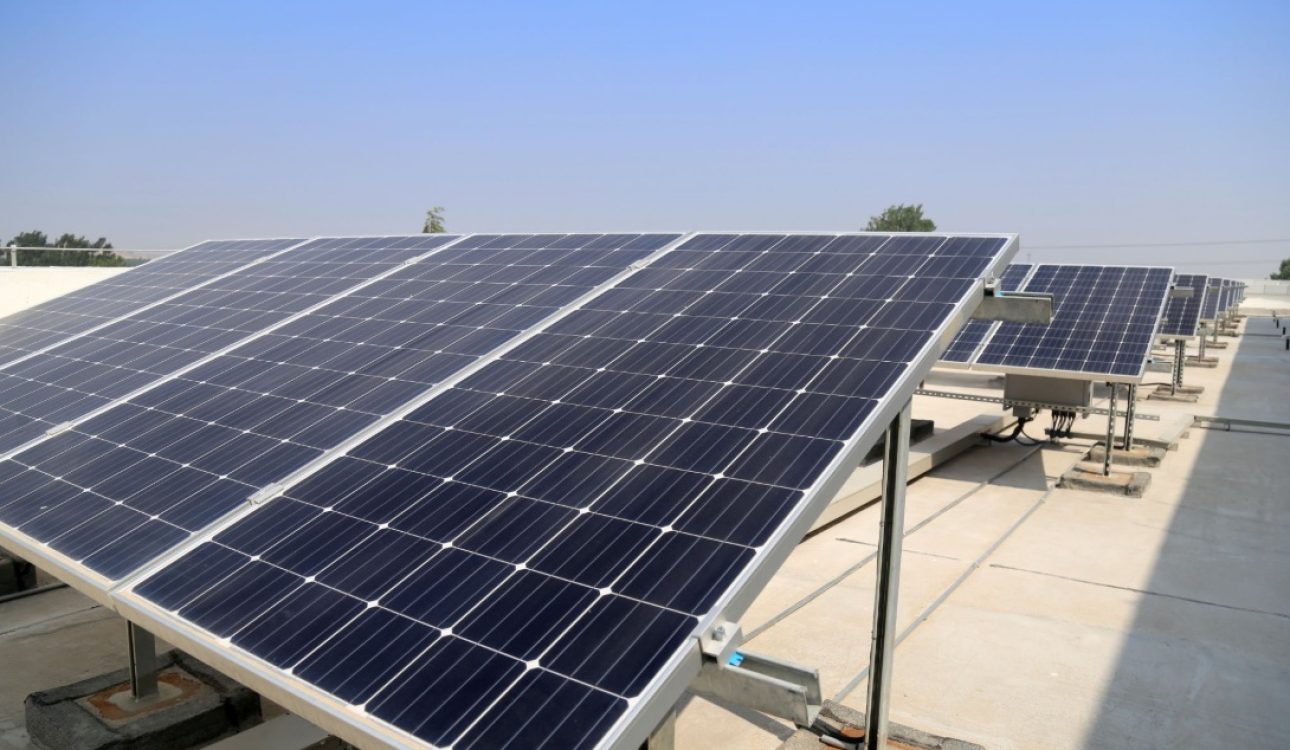

Quick Answer: More panels increase electricity generation; a bigger battery stores more surplus for later. Choose panels if generation is low, or storage when excess solar is regularly exported to the grid.
Homeowners with an existing solar system may eventually need to choose between adding more panels and increasing battery capacity. The question of more solar panels or bigger battery storage comes down to how the household generates and uses electricity. More panels produce extra power. A bigger battery stores more of the surplus already available. Roof space, daytime demand, evening use and export payments all affect which option offers better value.
Key Takeaways
- More panels increase generation, while a bigger battery stores more electricity for use later.
- UK monitoring research found households use around 45% of the solar electricity they generate on average.
- Batteries can increase self-consumption, but the gain is modest and extra capacity does not guarantee better savings.
- Compare actual generation, household use, imports, exports and roof space before choosing an upgrade.
How Solar Generation Differs from Battery Storage
More panels increase how much electricity your home generates, while a bigger battery increases how much of that electricity you can save for later.
A 2018 study by McKenna, Pless and Darby monitored 302 UK households and found they used around 45% of their solar generation at home. The UK household solar self-consumption research indicates that the remaining electricity was generally exported rather than used directly.
A separate UK field study on battery storage and self-consumption found that batteries increased on-site solar consumption by an average of 6% and reduced evening peak grid demand by 8%.
These results show that storage can help, but the improvement depends on the amount of surplus electricity available and the battery’s capacity.

When Should You Get More Solar Panels?
Adding more panels makes sense when your current system cannot generate enough electricity for your household. It is particularly worth considering when:
You Are Not Generating Enough Solar Electricity
If your existing panels cannot cover a meaningful share of your daytime electricity use, adding more panels increases generation at the source. A bigger battery cannot store electricity your system has not generated.
You Have Available Roof Space
Suitable roof space makes adding panels more practical. Orientation, shading and the existing system’s capacity also affect how much extra electricity new panels can produce.
Planning rules vary across the UK. In England, domestic solar panels generally fall under permitted development, although listed buildings and some conservation areas can have additional restrictions.
Our solar panels guide provides further information on domestic solar installations, costs and savings.
Your Electricity Usage Has Increased
An electric vehicle, heat pump or growing household can increase electricity demand. Additional panels may help meet that demand, particularly when your current system already struggles to cover everyday use.
When Should You Get a Bigger Solar Battery?
A bigger battery is worth considering when your panels already generate surplus electricity that could be used later. Three situations can make additional storage particularly useful:
Your Battery Regularly Fills Up
If your existing battery reaches full charge early in the day, further solar generation may be exported rather than stored. A larger battery could capture some of that surplus for evening use, provided enough excess electricity is available regularly.
You Export Excess Solar Electricity
Exporting surplus electricity does not mean it has no value. Under the Smart Export Guarantee, eligible households can receive payments for electricity exported to the grid through participating suppliers.
The important comparison is between the payment for exporting electricity and the savings from using it at home later. Storing surplus may save more when it replaces electricity bought at a higher rate, but the result depends on your import and export tariffs.
You Still Import Electricity in the Evening
If your household draws substantial electricity from the grid after sunset despite exporting solar power earlier, a bigger battery could help shift more daytime generation into the evening.
The potential benefit depends on your usage, how much surplus your panels produce and how much electricity the battery can deliver. Our battery storage service covers storage options for homes looking to make better use of their solar generation.
Can You Add More Panels or a Bigger Battery to an Existing System?
Yes, either option may be possible, but new equipment needs to work with your existing solar setup.

Check Your Existing Inverter
The inverter’s capacity affects how much additional solar generation it can handle. If it cannot support the extra panels, an inverter upgrade or another configuration may be needed.
Solar and Battery Compatibility
Batteries and solar systems have different compatibility requirements. Your existing inverter type, battery chemistry and the proposed equipment can all affect whether a new battery can be connected to the system.
Electrical and Installation Requirements
A qualified installer should assess the electrical setup, protection requirements and proposed changes before work begins. MCS certification is also important if you want to access Smart Export Guarantee payments, as eligibility depends on meeting the scheme’s requirements.
What Happens If Your Solar Panels and Battery Are Poorly Matched?
A mismatch between solar generation and battery capacity can reduce the value of the system. If the panels produce more electricity than the battery can store, the battery may fill early and the remaining electricity will be exported. Smart Export Guarantee payments can offset some of the lost value, although the financial result depends on the import and export rates.
A small solar array may struggle to:
- Fully charge a large battery
- Replenish stored energy daily
- Make full use of battery capacity
The system may have more storage than the panels can regularly supply.
Battery degradation also affects the economics. In one UK test installation with a 4kW solar array and a 2kWh battery, researchers found the battery lost around 20% of its original capacity within five years. The UK research on battery degradation and storage economics reports this result for a specific installation. The study is older, and the figure should not be treated as a universal degradation rate for every battery.
How Do EV Charging and Energy Tariffs Affect Your Choice?
Your EV charging routine can help determine whether extra solar panels or a larger battery offers better value. If you regularly charge your car during daylight hours, additional panels could generate more electricity for direct use, reducing the amount you need to export. If you usually charge in the evening, a battery can store surplus solar electricity for later use, provided it has enough usable capacity to meet your charging needs.
Your electricity tariff also affects the decision. With a time of use tariff, grid electricity may cost less during off peak hours. If your battery supports scheduled grid charging, you could store cheaper electricity overnight and use it later when solar generation is low.
To choose the better option, compare your charging habits, available solar surplus, off peak rates and equipment compatibility.
FAQs
Is it better to get more solar panels or a bigger battery?
Choose panels if you need more generation; choose storage if you regularly export surplus and import electricity later.
Should I get more solar panels before adding a battery?
Usually, if your current system cannot generate enough electricity for daytime use.
Can I add more solar panels to my existing system?
Often, but inverter capacity, roof space, wiring and system compatibility need checking first.
Can I add a battery to my existing solar panel system?
Yes, many systems can be retrofitted, though battery and inverter compatibility must be confirmed.
Can a solar battery charge from the grid using cheaper off-peak electricity?
Yes, some compatible batteries support grid charging on tariffs with cheaper off-peak rates.
Can solar panels charge an electric car?
Yes, surplus solar can charge an EV if the charger and energy management setup support it.
Conclusion
The right upgrade depends on your generation, electricity usage, imports, exports, battery capacity and available roof space. More panels add supply, while a bigger battery shifts surplus into later hours. Reviewing your actual generation and import and export data is the best way to judge which investment suits your household.
Get your free quote today.